Quotation from Dracula (Ch. 26)
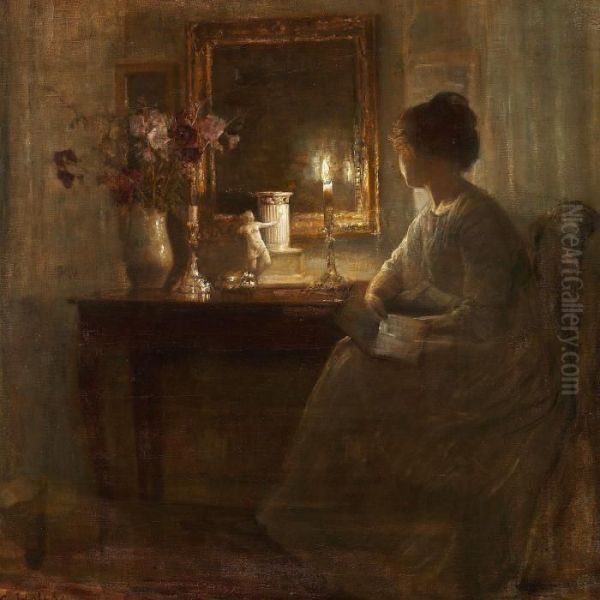
“When I came in, Mina was sitting by the fire, asleep. She looked tired and pale, but she made a gallant effort to be bright and cheerful. It was apparent, however, that her strength was failing; for she soon lapsed into a doze.
When I came close to her she woke with a start, and a look of fear, as though she had been dreaming of some terrible thing. She looked at me in a strange, puzzled way, as though trying to remember something, but could not quite get it.”
My Observation
Mina’s wavering identity — torn between herself and Dracula’s influence — shows how Stoker uses her body and mind as a battleground for purity versus corruption. The men fear not just losing her, but losing her moral essence. Their frantic coordination across Europe reflects a Victorian belief that law, science, and masculine authority must intervene to protect endangered women.
Historical Connection: The 1885 ‘White Slavery’ Panic & the Criminal Law Amendment Act
In the real world, the British public experienced a similar anxiety during the 1885 “white slavery” panic. W.T. Stead’s exposé claimed that foreign criminals were abducting English girls, which ignited nationwide fear about women being “contaminated” or morally ruined by outsiders. Parliament responded with emergency legislation to “protect” women’s purity.
Both the novel and the historical event show Victorian society’s fear that women’s bodies were vulnerable sites of invasion — whether by criminal traffickers or, in Stoker’s fiction, a foreign supernatural threat. Mina’s loss of control, like the girls described in Stead’s articles, reflects how the era projected national anxieties about sexuality, purity, and foreign influence onto women.
Reflection
This parallel shows how Dracula taps into real Victorian fears about outside threats endangering English womanhood. Mina’s transformation isn’t just a horror device — it mirrors a culture that believed modernity and morality could unravel through the violation of women. The group’s desperate pursuit of Dracula resembles how Britain scrambled to legislate morality. Stoker’s novel, shaped by the same anxieties, becomes part of a broader cultural effort to define and defend Victorian ideals of purity.

Leave a Reply